

Burglary, burst geyser, storm damage or a car accident: here is exactly what to do, step by step, to get your insurance claim handled quickly.
When something goes wrong, whether it is a burglary, a burst geyser, a storm-damaged roof or a car accident, the last thing you need is uncertainty about what to do next. Knowing the claims process before anything happens takes a lot of the stress out of it, and helps your claim move faster.
Every claim is different, but most short-term insurance claims in South Africa follow the same basic steps.
Step-by-step: how to submit an insurance claim
- Make sure everyone is safe. People come first. Call emergency services if needed.
- Notify your broker as soon as possible. Most policies require prompt notice, and some set a specific time limit. Late notice is one of the avoidable reasons claims run into trouble.
- Prevent further loss or damage where it is safe to do so. Turn off the water mains after a burst pipe, cover a damaged roof with a tarpaulin, or secure a broken door. Insurers expect you to take reasonable steps, and the cost of emergency measures is often claimable. Keep the receipts.
- Report to the authorities if required. For theft, burglary, hijacking or malicious damage, report the incident to the South African Police Service (SAPS) and get a case number. For vehicle accidents involving injury or certain damage, a police report is also needed.
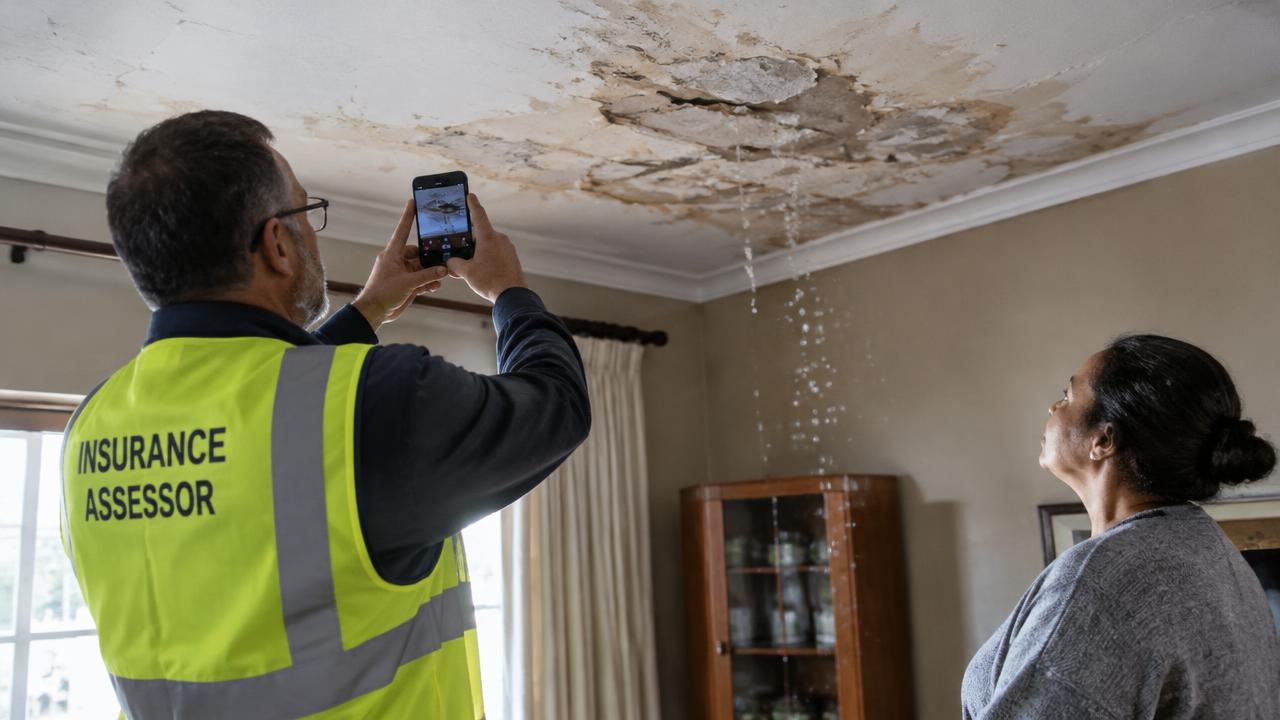
- Gather evidence. Take photos and video of the damage before anything is cleaned up or repaired. Collect invoices, proof of ownership, valuation certificates, quotations for repairs and any other useful documents. Do not throw away damaged items until your insurer agrees.
- Complete the claim form. Your broker will send you the correct form and help you fill it in accurately. Be complete and honest. Incorrect information can affect the outcome.
- Assessment. The insurer reviews the claim and may appoint an assessor or loss adjuster to inspect the damage, check the cause and agree the value of the loss. For larger claims this step can take longer.
- Settlement. Once the claim is approved, the insurer settles it under the terms of your policy. This could be a cash payment, a repair through an approved supplier, or replacement of the item. Your excess is deducted.
What documents do you usually need?
| Type of claim | Typical documents |
|---|---|
| Burglary or theft | SAPS case number, list of stolen items, proof of ownership (invoices, photos, bank statements), proof of security measures |
| Water or storm damage | Photos of damage, plumber's or builder's report on the cause, repair quotations |
| Fire | Fire brigade report where available, photos, list of damaged items, repair or rebuild quotations |
| Motor accident | SAPS accident report number, driver's licence, details of the other party, photos of the scene and vehicles |
| Business interruption | Management accounts, turnover records before and after the loss, proof of additional costs |
Tips that help your claim go smoothly
- Keep an up-to-date inventory with photos of valuable items and store copies in the cloud.
- Keep invoices and valuation certificates for jewellery, electronics and equipment.
- Do not admit liability to another party after a motor accident. Exchange details and let the insurers handle it.
- Do not start permanent repairs before the insurer has approved them, unless it is urgent to prevent further damage.
- Know your excess so the settlement amount does not come as a surprise.
- For riot, strike or civil unrest damage, your claim falls under SASRIA cover, which is arranged through your normal policy. Your broker will handle it.
What if your claim is rejected or disputed?
If an insurer rejects your claim, it must tell you why in writing. Under the Policyholder Protection Rules, policyholders who are covered by the rules have at least 90 days from receiving that notice to make representations to the insurer about the decision.
If you still disagree, you can take the matter to the insurer's internal complaints process and then to the National Financial Ombud Scheme, which handles non-life insurance complaints free of charge. Your broker can help you prepare your case at every stage.
Why use a broker when you claim?
One of the biggest advantages of an insurance broker is that you do not face the claims process alone. Your broker:
- Tells you exactly what the insurer needs
- Checks the claim form before it is submitted
- Follows up with the insurer and the assessor
- Explains the policy terms that apply to your claim
- Pushes back on your behalf if a settlement looks wrong
We are here when you need to claim
At Southsure Brokers we guide clients through every stage of the claims process, from reporting the incident to dealing with the insurer and assessor on your behalf. Our goal is a smooth process and the best possible outcome for you.
Need to claim or have a question? Call Southsure Brokers and speak to a broker.
Frequently asked questions
How long does an insurance claim take in South Africa?
+
Simple claims can be settled within days or a few weeks once all documents are in. Larger claims that need an assessor or loss adjuster can take longer.
Do I have to report a burglary to the police before I claim?
+
Yes. Theft and burglary claims require a SAPS case number, and late reporting can count against you.
Can I choose my own repairer?
+
Sometimes. Many insurers use approved suppliers, especially for motor and glass claims. Ask your broker before you commit to a repairer.
Will claiming increase my premium?
+
It can, depending on your claims history and the insurer. Your broker can talk you through the likely effect before you claim on a small loss.
Sources
Not sure if your cover is right? Speak to a Southsure broker.