

Your home or building should be insured for what it would cost to rebuild, not what it would sell for. Here is why the difference matters and how to get the figure right.
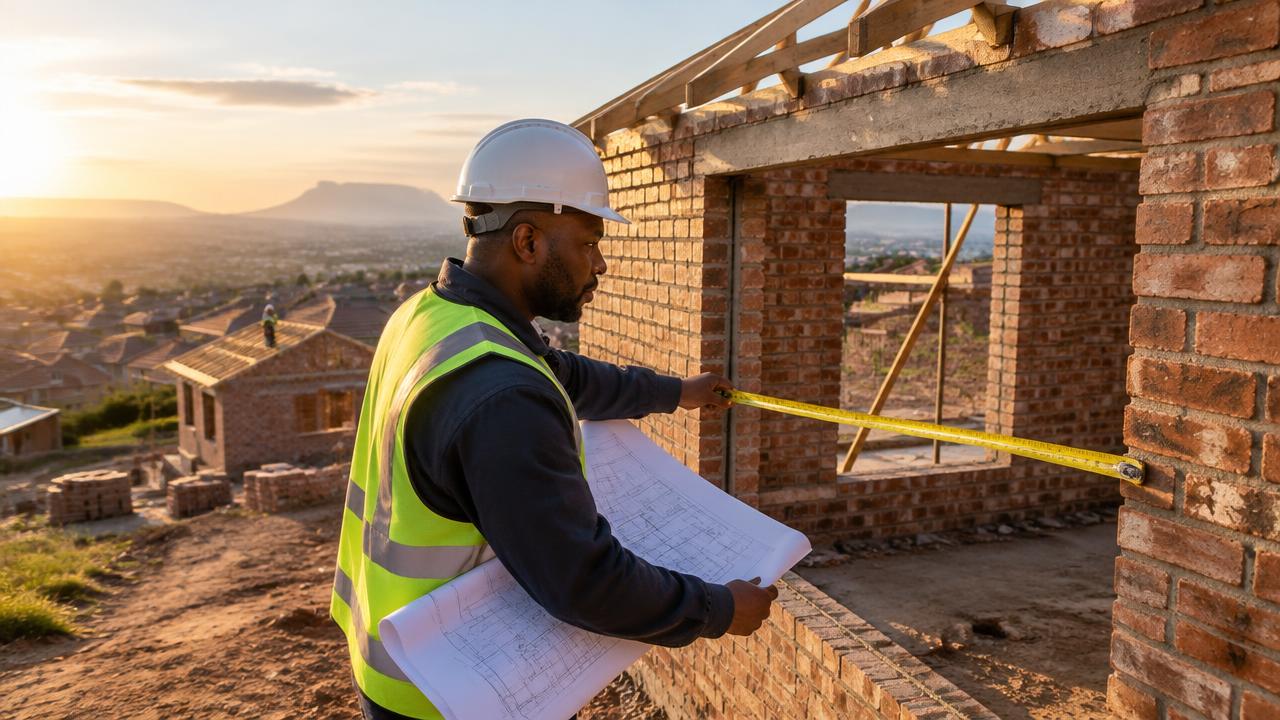
One of the most common misunderstandings in property insurance is that your home or building should be insured for what it would sell for. It should not. Your buildings or homeowners policy should reflect what it would cost to rebuild the property from the ground up if it were completely destroyed.
Getting this wrong in either direction costs you. Insure for too much and you pay premium you do not need. Insure for too little and you may not have enough to rebuild after a fire or flood, and smaller claims may be cut as well.
What is the difference between market value and rebuilding cost?
Market value is what a buyer would pay for the property today. It is driven by things that have nothing to do with bricks and mortar:
- The location and the suburb
- The size and value of the land
- Supply and demand in the local property market
- Interest rates and the wider economy
- Views, schools and amenities nearby
Rebuilding cost is what it would cost to clear the site and reconstruct the building to the same standard. The land does not burn down, so it is not part of the sum insured.
The two figures can be far apart. A home in a sought-after suburb with a large stand may have a market value well above its rebuilding cost. A well-built home or a specialised commercial building in a quieter area may cost far more to rebuild than it would sell for. Either way, market value is the wrong starting point.
What should your buildings sum insured include?
A realistic rebuilding figure covers much more than labour and materials:
- Demolition and debris removal of the damaged structure
- Professional fees for architects, engineers and quantity surveyors
- Municipal fees and plans approval
- Compliance with current building regulations, which may be stricter than when the property was first built (for example the National Building Regulations, SANS 10400 energy efficiency and fire requirements)
- Labour and materials at today's prices, including finishes, built-in cupboards and fittings
- Outbuildings, boundary walls, paving, swimming pools and solar installations that form part of the property
- Escalation during the rebuild, since prices keep rising between the loss and the end of construction
- VAT, where you cannot claim it back
Check your policy for how some of these are treated. Some are included in the main sum insured, while others are paid under extension covers with their own limits.
Why buildings that were correctly insured are now underinsured
Construction costs in South Africa have been rising faster than general inflation. Statistics South Africa reported that its construction input price index rose 8.3% in the year to August 2026. Over a few years, that adds up quickly.
If your sum insured was set five years ago and never properly updated, it is likely to fall short of today's rebuilding cost. Automatic inflation increases on your policy help, but they may not keep up with real building costs or reflect renovations you have done since.
What happens if you are underinsured?
Two things can go wrong:
- After a total loss, the policy will only pay up to the sum insured. If the rebuild costs more, you pay the difference yourself.
- On a partial loss, most buildings policies apply the average condition. If your property is insured for 75% of its rebuilding value, the insurer may only pay 75% of a smaller claim too. A R200,000 roof claim could become R150,000.
This is why the correct sum insured matters even if you never expect to lose the whole building.
How to work out your rebuilding cost
- Start with the floor area. Measure the main building and each outbuilding separately in square metres.
- Apply a current building rate that matches the quality of finishes. Rates for a standard home, a luxury home and a commercial or industrial building differ a lot.
- Add the extras: walls, paving, pools, solar systems, carports and special features.
- Add professional fees, demolition and escalation.
- Get a professional valuation for larger homes, older or heritage buildings, sectional title schemes and commercial property. A registered quantity surveyor can produce a replacement valuation that stands up at claim stage.
- Review every year and after any renovation or extension.
A note for sectional title owners
In a sectional title scheme, the body corporate insures the building, and the trustees are responsible for making sure the replacement value is correct. Owners usually insure only their contents and any improvements. If you are a trustee, a regular replacement valuation is one of the most important decisions you make for the scheme.
Check whether your building is insured for the right amount
At Southsure Brokers we help homeowners, property owners, businesses and body corporates check whether their buildings sum insured reflects today's rebuilding costs, and we can arrange a professional valuation where needed.
Call Southsure Brokers and speak to a broker about your buildings sum insured.
Frequently asked questions
Should I insure my house for the bond amount?
+
No. Your bond reflects what you borrowed, not what it costs to rebuild. Banks require cover at least equal to the bond, but that figure may be far too low.
Does my municipal valuation tell me what to insure for?
+
No. Municipal valuations are based on market value for rates purposes and include the land.
How often should my rebuilding cost be reviewed?
+
Every year at renewal, and after any building work. A full professional valuation every three to five years is a sensible habit for larger or commercial properties.
Is a higher sum insured always better?
+
Not if it is unrealistic. Insurers will only pay your actual loss, so over-insuring wastes premium. The goal is an accurate figure.
Sources
Not sure if your cover is right? Speak to a Southsure broker.