

Insure for less than the real value and the average condition can reduce every claim, even small ones. Here is how it works, with a rand example.
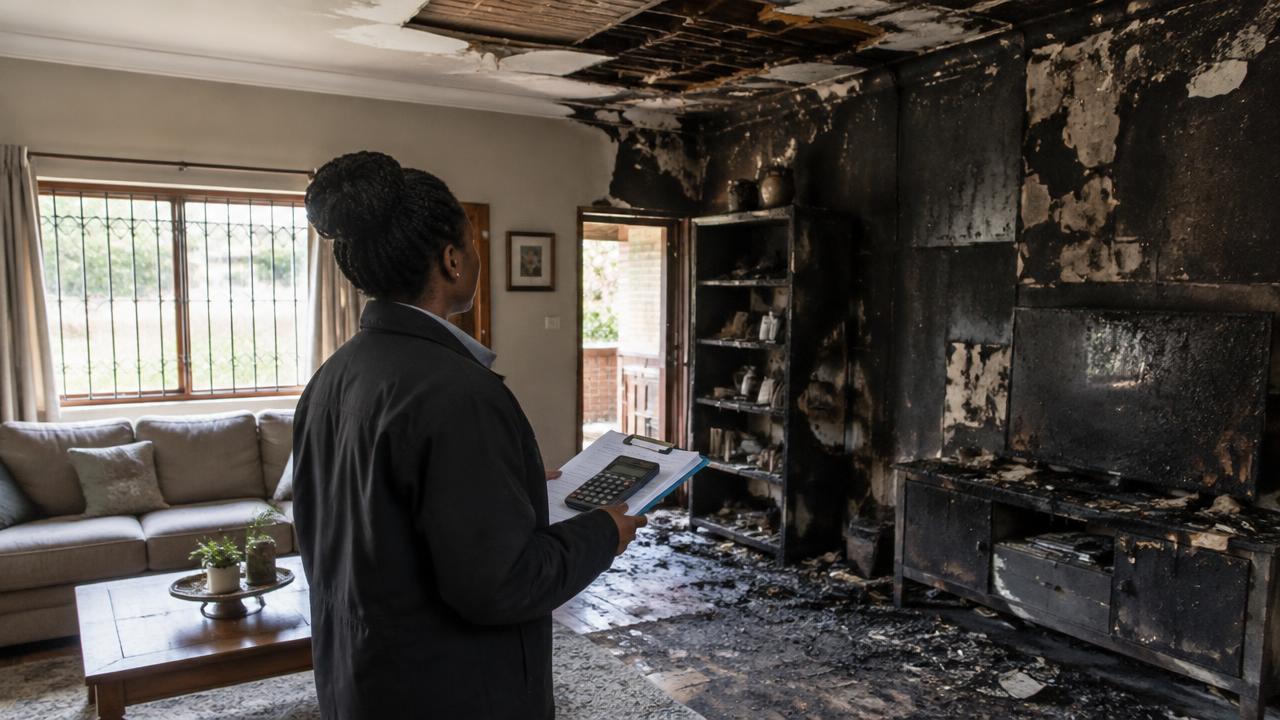
One of the most painful surprises at claim time is finding out you were underinsured. Many people believe that if they insure their property for "most" of its value, the insurer will simply pay whatever the loss costs, as long as it is below the sum insured.
That is not how most property insurance works. The reason is a clause called the average condition, also known as the average clause or the condition of average.
What is the average condition?
Most property insurance policies in South Africa include an average condition. It says that if your property is insured for less than its true value at the time of the loss, you are treated as carrying the uninsured part of the risk yourself. Your claim is then reduced in proportion.
In simple terms, if you only insure 80% of the value, the insurer only pays 80% of each claim.
How the average condition is calculated
The formula is:
Claim payment = (Sum insured ÷ Actual value) x Loss
Worked example
| Item | Amount |
|---|---|
| Correct rebuilding value of the building | R10,000,000 |
| Sum insured on the policy | R8,000,000 |
| Percentage insured | 80% |
| Loss from a fire in one section | R1,000,000 |
| Amount the insurer pays (80% of R1 million) | R800,000 |
| Amount the owner pays | R200,000 |
The loss of R1 million was far below the R8 million sum insured, yet the owner still carried R200,000. That is the point many people miss: average affects partial losses, not only total ones.
If the building had been destroyed completely, the most the insurer would pay is the R8 million sum insured, leaving a R2 million shortfall to rebuild.
Which insurance does the average condition apply to?
The same principle can apply to most property sections, including:
- Buildings and homeowners cover
- Household and office contents
- Stock
- Plant and machinery
- Business interruption, where it is applied to the gross profit sum insured
Some items are insured on a "first loss" basis, where average does not apply, and some policies relax average for smaller claims. These terms vary, so check your wording or ask your broker.
Why so many South Africans are underinsured
Underinsurance rarely happens on purpose. The usual causes are:
- Rising replacement costs. Construction input prices rose 8.3% in the year to August 2026, well above general inflation. Sums insured set a few years ago fall behind.
- Using market value instead of rebuilding cost for buildings.
- Forgetting new purchases, such as appliances, electronics, solar systems, machinery or extra stock.
- Renovations and extensions that were never added to the policy.
- Guessing contents values instead of doing a room-by-room inventory.
- Cutting cover to save premium during tough times.
- Using the wrong figure for business interruption, such as accounting gross profit instead of insurance gross profit.
How to avoid underinsurance
- Get buildings valued for rebuilding cost, ideally by a quantity surveyor for larger or commercial properties.
- Do a contents inventory room by room, priced at what it would cost to buy new today.
- Update stock and machinery values using current replacement costs, and allow for peak stock seasons.
- Review every year at renewal and after any major purchase or building work.
- Keep records: photos, invoices and valuation certificates make claims faster and easier.
- Ask about escalation, so that values grow automatically during the year.
Underinsurance is also one of the most common reasons claims are reduced or rejected.
Make sure your assets are insured for the right values
At Southsure Brokers we work with clients to make sure buildings, contents, stock and equipment are insured for their correct values, so there are no unexpected shortfalls at claim stage.
Call Southsure Brokers and speak to a broker about a sums insured review.
Frequently asked questions
Does the average clause apply if my claim is small?
+
Usually, yes. The reduction applies to the claim amount regardless of size, unless your policy has a first-loss basis or a relaxation for small claims.
Can I be overinsured instead?
+
Yes, but insurers only pay your actual loss. Overinsuring means paying extra premium for nothing. Accuracy is the goal.
Is the average condition legal in South Africa?
+
Yes. It is a standard and accepted term in South African short-term property policies, and it is set out in your policy wording.
How do I know if I am underinsured?
+
Compare your sums insured with current rebuilding and replacement costs. If you have not done this in the last year, there is a good chance at least one figure is out of date.
Sources
Not sure if your cover is right? Speak to a Southsure broker.